Facility and room planning
Review equipment room requirements, access routes, usable space, rack zoning, and room configuration to reduce later delivery constraints.
CHN supports organisations developing or upgrading data centre environments where facility planning, infrastructure systems, scaling logic, and dependable operations must be aligned from the outset.
The service is relevant when data centre infrastructure cannot be treated as a simple equipment installation exercise. Facility conditions, technical dependencies, operating needs, and future scaling have to be planned together so the environment remains dependable over time.
Clarifies room-level requirements, equipment allowances, layout conditions, and the technical dependencies that shape the facility.
Addresses how power, cooling, structured cabling, rack planning, and supporting backbone systems affect the environment.
Supports transition into live use through clearer coordination around access, maintainability, monitoring, and support expectations.
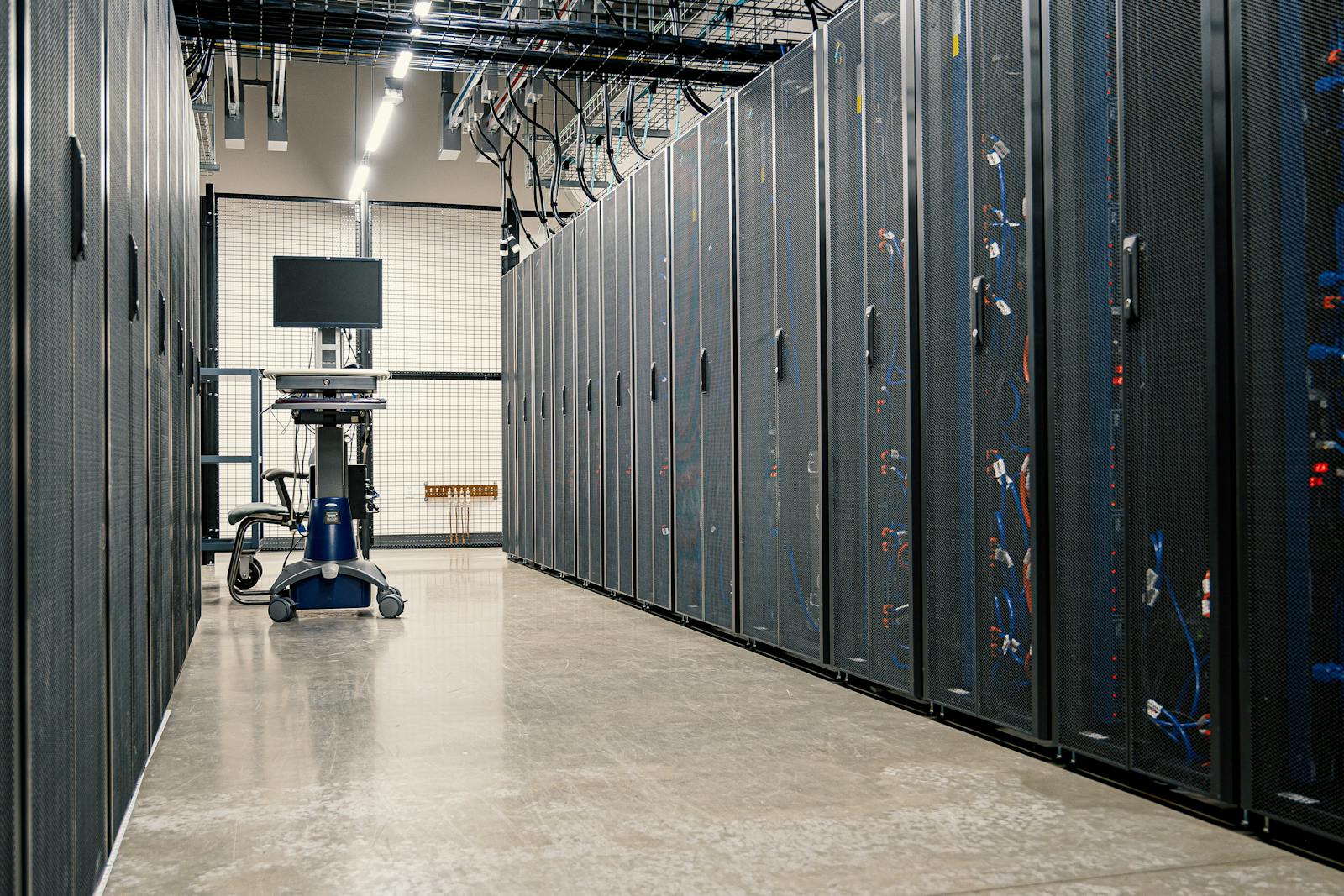
These areas should be reviewed before detailed deployment decisions are fixed, especially when the facility will support AI-ready or high-density environments.
Review equipment room requirements, access routes, usable space, rack zoning, and room configuration to reduce later delivery constraints.
Clarify current demand, expected density, staged growth, and space or utility allowances required for future expansion.
Plan work in a way that supports procurement, contractor coordination, delivery logic, and controlled transition into operation.
This matrix outlines the main infrastructure areas typically reviewed in a data centre discussion.
| System Area | Why It Matters | Discussion Scope |
|---|---|---|
| Power | Supports load requirements, continuity, and growth planning. | Power distribution context, capacity review, redundancy thinking, and coordination with facility conditions. |
| Cooling | Directly affects equipment performance and operational reliability. | Cooling strategy awareness, density implications, airflow considerations, and room-level support conditions. |
| Rack and space planning | Determines how efficiently the environment can be built and scaled. | Rack layout, room use, access, and physical arrangement for current and future equipment. |
| Cabling and backbone | Enables dependable connectivity between systems and avoids avoidable rework. | Structured cabling pathways, backbone coordination, and communications routing considerations. |
| Monitoring and operations | Supports live use, visibility, and maintainability after implementation. | Operational alerts, access posture, monitoring context, and support continuity requirements. |
CHN supports conversations where reliability, staged scaling, and operational constraints need to be understood before the environment is treated as complete.
These issues often determine whether the completed environment performs well over time.
Infrastructure should be arranged so operating teams can maintain and support the environment without unnecessary disruption.
Facility and system conditions should be visible enough to support continuity and informed response.
Expansion should be planned into the environment so future change does not require avoidable redesign.
For businesses building or upgrading rooms that support compute, data processing, and critical digital operations.
For operators requiring dependable facility environments to support networked services and operational platforms.
For new build or retrofit programmes where room design and infrastructure planning must stay aligned.
For government and regulated settings where reliability, clarity, and formal review are part of project delivery.
Share whether the requirement is for a new room, facility upgrade, capacity expansion, retrofit, or wider infrastructure review, and CHN can respond through a structured technical and commercial discussion.