Engineering Infrastructure Partner
Data centre development, AI infrastructure, and connected smart system delivery
Engineering infrastructure for AI-ready data centres and connected smart city systems in Malaysia.
CHN New Material Technology Sdn Bhd supports organisations planning data centre facilities, AI infrastructure environments, and smart city systems through engineering coordination, systems integration support, and technical consulting.
Data Centre Solutions
AI Infrastructure
Smart City Systems
Engineering Consulting
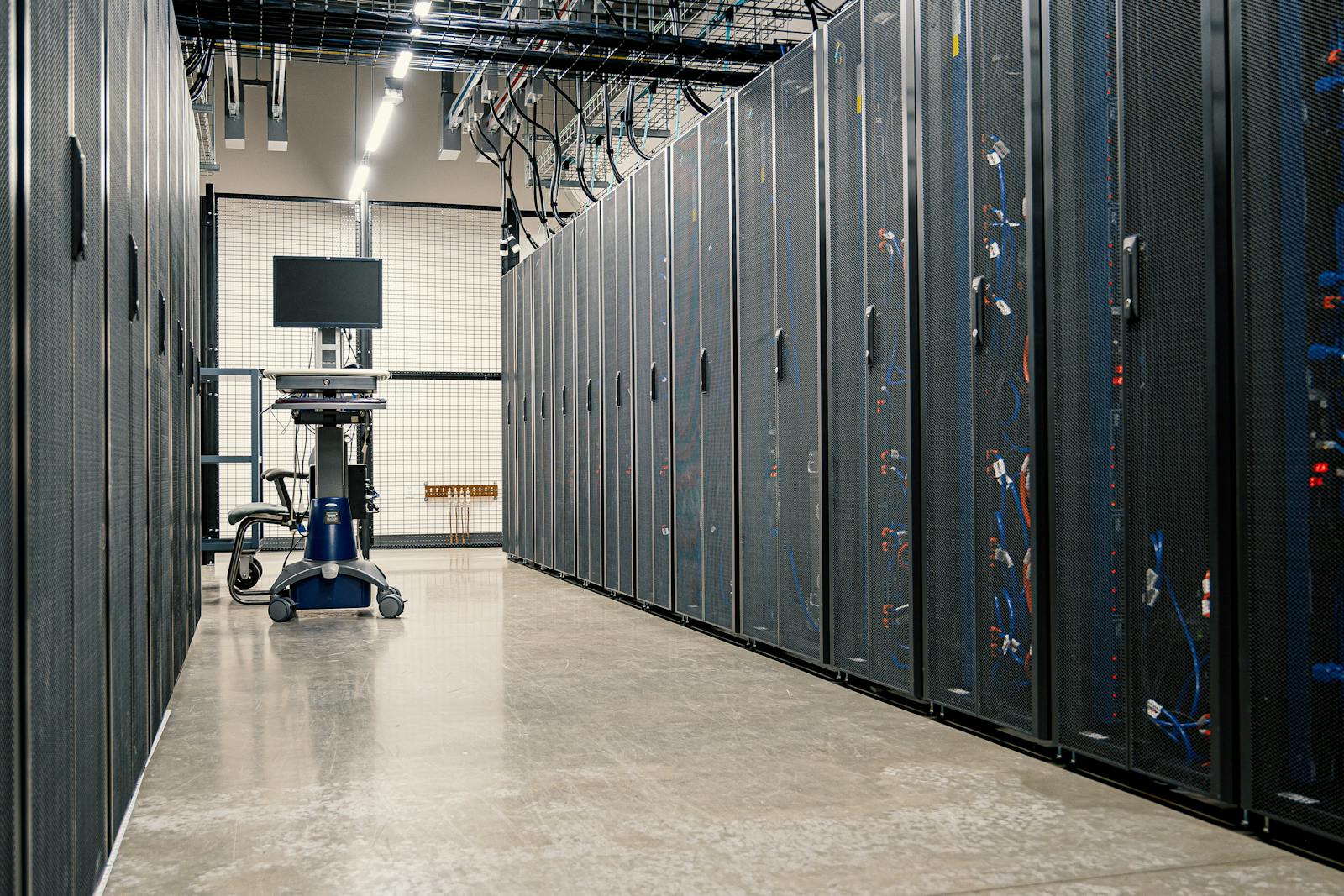
CHN supports infrastructure programmes that need technical planning, systems coordination, and clear delivery support.
- Facility and room readiness
- AI-ready compute infrastructure
- Systems integration and coordination
- Implementation and operational transition
Company Overview
A Malaysian engineering company focused on infrastructure, systems, and implementation clarity.
CHN works at the intersection of physical infrastructure, digital systems, and technical consulting. The company is positioned for clients that need more than equipment supply: it supports the planning, coordination, and systems understanding required to move projects from concept to operational use.
The company overview is structured around three practical questions that enterprise and government stakeholders usually ask first: what the company does, which sectors it serves, and where its technical expertise sits.
Infrastructure planning and technical delivery support
CHN supports data centre facilities, AI-ready infrastructure, smart city systems, and technical programmes that depend on organised engineering coordination.
Public sector, utilities, mobility, enterprise, and industrial environments
Relevant for projects involving local authorities, government-linked entities, property and infrastructure developers, operators, and enterprise facility owners.
Facility readiness, systems integration, and consulting
Combines engineering planning, network and infrastructure understanding, edge and field system integration, and technical consulting support.
CHN is suited to project environments where technical decisions must be documented clearly, reviewed by multiple stakeholders, and implemented in a structured way.

Services
Service categories explained clearly for technical, procurement, and management audiences.
Each service area is described in terms of scope, the problem it addresses, and what is normally included. The aim is to help clients understand where CHN fits in a project without relying on vague marketing language.
Service 01
Data Centre Development
Support for new data centre rooms, facility expansion, retrofit planning, equipment room readiness, and infrastructure preparation.
View service pageProblem It Solves
Helps owners translate operational and technical requirements into facility scope so that power, cooling, space, cabling, and implementation planning are addressed early.
What Is Included
- Facility and site readiness review
- Rack, space, and equipment room planning
- Power, cooling, and backbone coordination input
- Implementation sequencing and stakeholder alignment
Service 02
AI Infrastructure Solutions
Infrastructure planning for compute, storage, networking, and supporting systems that need to operate in AI-ready environments.
View service pageProblem It Solves
Reduces the risk of deploying high-performance compute environments without the necessary connectivity, facility allowances, operating controls, or system integration planning.
What Is Included
- Compute and storage environment planning
- Interconnect and network readiness review
- Data flow and infrastructure dependency mapping
- Operational monitoring and support considerations
Service 03
Smart City Systems
Infrastructure and systems support for mobility, surveillance, utility monitoring, command environments, communications, and connected public-service platforms.
View service pageProblem It Solves
Helps agencies and operators connect field systems, edge devices, communication networks, and central platforms into a coordinated operational environment.
What Is Included
- Edge and field system integration planning
- Sensor, camera, and control platform connectivity
- Field-to-core data path coordination
- Phased rollout and multi-stakeholder implementation support
Service 04
Engineering and Technical Consulting
Technical consulting for scope clarification, systems review, documentation, implementation coordination, and delivery support across infrastructure programmes.
View consulting scopeProblem It Solves
Provides a structured technical layer between client objectives, engineering requirements, vendors, consultants, and implementation teams.
What Is Included
- Technical review and scope definition support
- Integration planning and interface management
- Documentation and stakeholder briefing input
- Risk identification and delivery coordination
Industries Served
Relevant across government, infrastructure, enterprise, and technology-driven environments.
The sector view helps visitors identify whether CHN's capabilities fit their operating context before they move into a service discussion.
Government and public sector
Suitable for programmes requiring formal review, operational continuity, and structured coordination across multiple stakeholders.
Infrastructure and utilities
Relevant for transport, communications, monitoring, and operational systems that depend on dependable digital infrastructure.
Enterprise and industrial operations
Supports organisations planning data centre rooms, AI environments, networked facilities, and operational upgrades.

Projects / Experience
Project types and delivery contexts that reflect typical engineering scope.
Where named public references are not listed, the site should still explain the kind of work the company is set up to handle. This section focuses on project categories, sectors, and programme scale rather than unsupported project names.
Facility, platform, and systems programmes
- Data centre room development and expansion
- Enterprise infrastructure upgrades and retrofit work
- Smart city command, monitoring, and field-system programmes
- Edge, communications, and control-system integration projects
Public infrastructure and enterprise operations
- Government and municipal environments
- Utilities and networked public services
- Transport and mobility operations
- Enterprise campuses and industrial facilities
From single-site upgrades to phased multi-system programmes
Typical engineering scope can range from equipment-room and facility upgrades through to campus or city-level programmes involving multiple technical interfaces, contractors, and stakeholders.
New build, expansion, retrofit, and operational transition
CHN is positioned for project stages that require technical clarification, design coordination, integration planning, and support for transition into live operation.

Why Choose Us
Trust is built through delivery discipline, technical clarity, and local project understanding.
The value proposition is practical: engineering knowledge, reliable coordination, and a working understanding of how infrastructure projects move in Malaysia and the wider region.
Structured technical communication
Scope, dependencies, and requirements are presented clearly enough for management, technical, and procurement review.
Reliability in project coordination
Approach is designed for programmes where multiple parties, vendors, and operating teams need to stay aligned.
Technical knowledge tied to real infrastructure
Focus stays on facility readiness, systems integration, network dependencies, and operational requirements rather than abstract claims.
Local and regional understanding
Positioned for Malaysian project conditions while remaining suitable for regional enterprise and infrastructure partnerships.
Technical Capabilities
Core technical capabilities across infrastructure, systems, and integration.
Facility Systems
Power distribution context, cooling coordination, rack and room planning, equipment space readiness, and technical environment preparation.
Compute and Storage
Server and storage environments, AI-ready platform requirements, equipment coordination, and infrastructure planning for data-intensive workloads.
Network Infrastructure
Core switching, routing, structured cabling, fibre backbone planning, access and edge connectivity, and communications pathway coordination.
Systems Integration
Integration between data centre infrastructure, field devices, sensors, cameras, control platforms, and operating systems.
Operations and Monitoring
Monitoring requirements, data visibility, control-room support context, operational handover, and service continuity considerations.
Documentation and Review
Technical review sessions, scope clarification, documentation support, interface management, and structured stakeholder communication.

Designed for programmes where systems cannot be treated in isolation.
CHN is positioned for projects where facilities, networks, compute environments, field systems, and operating teams must be considered as part of the same technical framework.
- Facility and equipment dependencies
- IT, OT, and edge system coordination
- Implementation sequencing and technical review
- Support for operational transition and ongoing use
Clients / Partners
Suitable for government, private sector, and infrastructure partnership environments.
Where formal client logos are not published, the site should still make clear which types of organisations the company is built to work with.
Government and local authorities
For smart city platforms, control environments, surveillance infrastructure, mobility systems, and public-service digital operations.
Utilities and infrastructure operators
For monitoring platforms, communications backbones, field-system integration, and dependable infrastructure support.
Enterprise and industrial organisations
For data centre rooms, compute infrastructure, operations upgrades, networked systems, and technical consulting support.
Developers, consultants, and system partners
For project teams that need engineering coordination, technical review input, and integration support across multiple workstreams.
Contact / CTA
Discuss your project requirements with CHN.
Use the contact page to share project scope, site conditions, infrastructure objectives, or technical questions. CHN can then respond through a structured commercial and technical discussion.