Compute
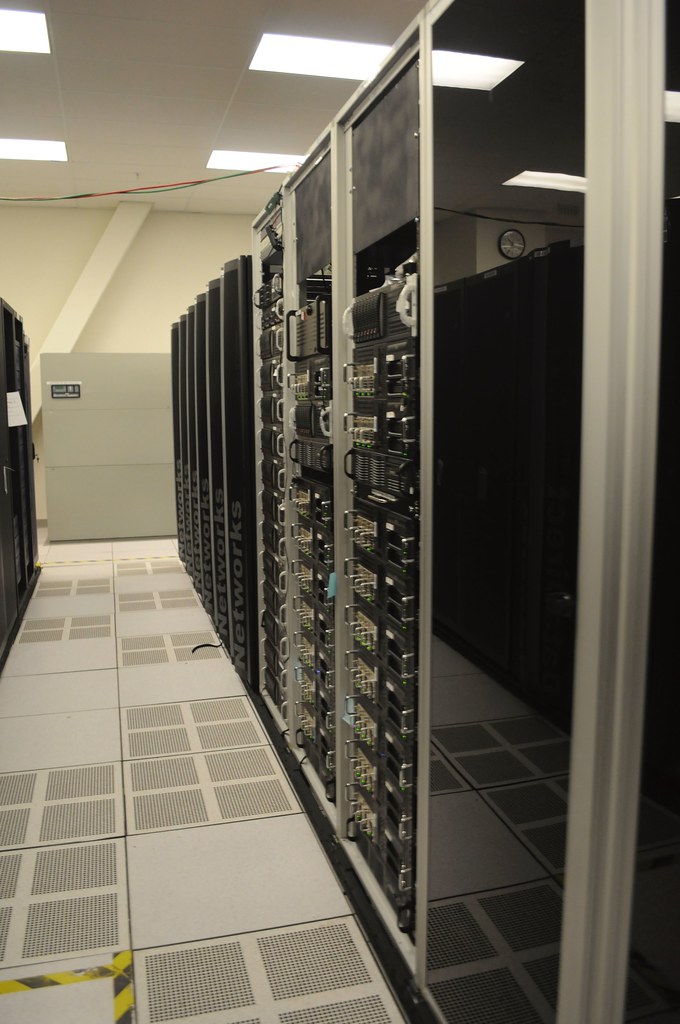
Server environments, equipment density, placement requirements, and support conditions needed for AI-oriented workloads.
CHN supports organisations planning AI-ready environments where compute, storage, networking, facility allowances, and operational readiness need to be reviewed as part of a single infrastructure framework.
AI deployment depends on more than adding servers to an existing room. Compute density, data flow, storage throughput, network readiness, facility conditions, and operating controls all need to be considered together if the environment is expected to scale and perform reliably.
AI-ready infrastructure often creates concentrated demands on facility support, connectivity, and equipment coordination.
Compute, storage, networking, data movement, and operational monitoring should be treated as connected planning domains.
The service is structured for organisations moving from early evaluation into usable infrastructure planning and delivery coordination.
A technically credible AI infrastructure discussion should cover all of these areas together rather than treating them as independent procurement items.
Server environments, equipment density, placement requirements, and support conditions needed for AI-oriented workloads.
Capacity, throughput, data handling, and access patterns that influence how the infrastructure performs in practice.
Core switching, connectivity paths, data movement, and the network performance required to support demanding workloads.
Monitoring visibility, service continuity, support expectations, and transition into dependable live use.
The matrix below shows the main planning considerations typically reviewed before enterprise AI infrastructure moves into detailed implementation.
| Planning Area | Why It Is Important | Typical Review Focus |
|---|---|---|
| Compute environment | AI workloads can create heavier demands than standard enterprise applications. | Equipment allowances, density implications, placement logic, and facility readiness. |
| Storage and data handling | Data availability and throughput directly affect usable performance. | Storage architecture, data paths, capacity assumptions, and operational access requirements. |
| Network design | Connectivity can become a limiting factor when environments scale. | Backbone planning, switching, routing, interconnect requirements, and network readiness. |
| Scalability | AI environments often expand in stages rather than one fixed deployment. | Growth logic, staged expansion, space and utility allowances, and future integration needs. |
| Deployment readiness | Infrastructure has to transition from technical planning into workable delivery and operation. | Implementation sequencing, vendor coordination, operational checks, and support preparation. |
Enterprise AI infrastructure usually has to satisfy more than technical performance. It also has to meet commercial, operational, and governance expectations.
Helps decision-makers understand whether the existing environment can support the intended workload model.
Supports staged rollout rather than forcing the programme into one oversized initial deployment.
Brings facilities, infrastructure, operations, and vendor-side technical teams into a clearer shared view.
CHN can support scope clarification, dependency review, systems planning, and delivery coordination for AI programmes that need more structure before implementation proceeds.
If your organisation is evaluating AI-ready compute environments, enterprise deployment conditions, or scalability requirements, CHN can help frame the infrastructure questions before detailed implementation begins.